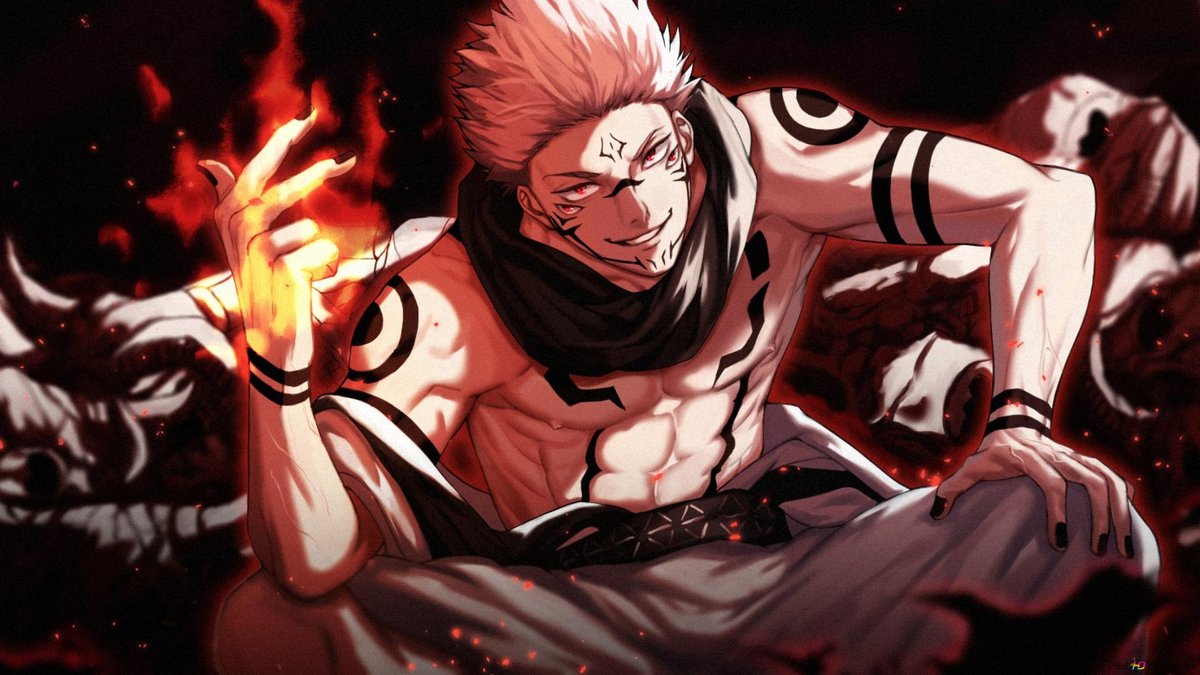
If you've landed here searching for "Sukuna in A Silent Voice explained," it's clear you're curious about a compelling narrative, but there might be a crucial piece of information missing. Let's clear up a common misconception right away: the character Sukuna, a powerful antagonist, actually originates from the popular manga and anime series Jujutsu Kaisen. He does not appear in, nor is he related to, the critically acclaimed film A Silent Voice (Koe no Katachi).
A Silent Voice stands entirely on its own as a profoundly moving story, celebrated for its sensitive portrayal of complex human emotions, social struggles, and the challenging path to forgiveness and self-acceptance. While Sukuna's immense power and dark nature make him a memorable character in his own right, his journey is vastly different from the grounded, deeply personal narrative explored in A Silent Voice.
Instead, A Silent Voice invites us into the lives of Shoya Ishida, a former bully, and Shoko Nishimiya, a deaf girl he tormented in elementary school. It’s a story about the heavy burdens of guilt and isolation, and the incredibly difficult yet ultimately rewarding process of connecting with others and finding redemption.
Understanding the True Heart of A Silent Voice
At its core, A Silent Voice is a masterful exploration of the ripple effects of bullying and the profound human capacity for change. It dives deep into the internal struggles of its characters, particularly Shoya, who carries immense guilt years after his actions, and Shoko, who still grapples with the pain of being targeted and feeling like a burden to those around her. The film navigates their delicate journey toward mutual understanding, apology, and a fragile hope for the future.
If you're interested in truly understanding this powerful narrative, we recommend exploring . Their motivations, flaws, and strengths are what make A Silent Voice such an impactful experience.
The Heavy Weight of Bullying and Its Aftermath
The film unflinchingly portrays the devastating impact of childhood bullying, not just on the victim, but also on the perpetrator and the bystanders who allowed it to happen. Shoya's cruelty towards Shoko leads to her transferring schools, but his actions don't go unpunished; he soon becomes an outcast himself, experiencing the isolation he inflicted upon others. This shift sets him on a path years later where he tries to make amends.
To grasp the full picture of the initial conflict and its enduring consequences, it's essential to understand . This deeper dive reveals the collective responsibility and the varied reactions of the children involved.
A Journey Towards Redemption and Connection
Years later, burdened by regret and self-loathing, Shoya resolves to find Shoko and apologize. This isn't a simple act; it’s a grueling, emotionally charged quest for atonement that forces both characters to confront their past traumas. Shoya's growth is central to the narrative, as he slowly learns to connect with others again, symbolized by the "X" marks he initially sees over everyone's faces – a visual representation of his self-imposed isolation and anxiety – gradually disappearing.
For a thorough look at how Shoya confronts his past and strives to become a better person, you'll find immense value in our detailed discussion on . His transformation is one of the most compelling aspects of the story.
The Emotional Climax and Search for Healing
A Silent Voice reaches a pivotal emotional peak when Shoko, overwhelmed by her feelings of inadequacy and being a burden, attempts suicide. Shoya heroically intervenes, saving her life but falling himself and ending up in a coma. This event serves as a stark wake-up call for everyone in their social circle, forcing them to confront their past mistakes and the profound pain that still lingered. Understanding is crucial for appreciating the depth of her struggles and the film's powerful message about mental health.
The film emphasizes mutual healing, showing Shoko taking proactive steps to mend broken relationships while Shoya is unconscious. Upon waking, Shoya is no longer isolated, surrounded by friends and family – a powerful testament to his progress and newfound connections. Throughout this intense journey, many viewers are deeply moved by , resonating with the characters' pain and their fragile hopes.
The Nuanced Ending: Hope, Not Perfection
The conclusion of A Silent Voice is not a fairytale ending, nor is it overtly tragic. It offers a sense of cautious optimism, acknowledging that healing is a continuous process. Shoya and Shoko are not completely "cured" of their past traumas, but they have found hope, mutual support, and the courage to face the future together. It’s a powerful statement about the resilience of the human spirit and the importance of acceptance.
To fully appreciate this careful balance, you might be wondering . It's a question that many viewers ponder, highlighting the film's nuanced approach to resolution. For those who want to understand the specifics of their future, exploring will provide valuable insight into their evolving relationship.
Beyond the Screen: Manga vs. Movie
While the film is a magnificent adaptation, fans often enjoy delving into the source material. The manga offers additional context, character development, and narrative details that the film, due to time constraints, couldn't fully explore. If you've been captivated by the anime, you might be curious about . This comparison offers an even richer understanding of the story and its creators' intentions.
A Legacy of Empathy and Connection
A Silent Voice remains a timeless masterpiece that doesn't shy away from difficult topics. It teaches us about forgiveness, empathy, and the collective responsibility we share in fostering a kinder world. It reminds us that silence can perpetuate suffering, and that true connection requires courage, vulnerability, and a willingness to confront both our past and our prejudices. This film's legacy lies in its ability to spark introspection and encourage genuine efforts to mend broken bonds, proving that even the deepest wounds can begin to heal with understanding and acceptance.